Choosing the Right Elderly Safety Alarm for Your Loved One
When my grandmother had a fall in her kitchen two years ago, the first thing I learned was that a mobile phone in her pocket was not enough. She could not reach it. She could not unlock it. And by the time someone found her, hours had passed. That experience sent me down a path of researching what actually works when it comes to keeping an older adult safe at home. What I found is that the choice of an elderly safety alarm is not just about pressing a button. It is about understanding how people age, how they move, and what kind of help they need in a real emergency.
The market is full of devices that promise peace of mind. But peace of mind is not a product you can buy off a shelf. It comes from knowing the device will work when it matters most. And that requires a closer look at the technology, the design, and the support behind it. In this article I will share what I have learned from talking to caregivers, reading user reviews, and testing a few systems myself. I hope it helps you make a decision that fits your family's situation.
What an elderly safety alarm actually does
At its simplest, an elderly safety alarm is a device that lets a senior call for help with the press of a button. But modern systems do much more than that. They include fall detection, which can trigger an alert automatically when a fall is detected, even if the person cannot press the button. They include GPS tracking, so help can find the person whether they are at home or out for a walk. And they include two-way voice communication, so the monitoring team can talk to the person and assess the situation before dispatching help.
These features matter because the reality of aging is that independence often comes with risk. A person might be perfectly capable of living alone, but a single fall can change everything. The goal of a good alarm system is to reduce the time between the fall and the arrival of help. That time is critical. Studies show that the longer a person lies on the floor after a fall, the worse the health outcomes. A good alarm can cut that time from hours to minutes.
Fall detection is not optional
I cannot stress this enough. If you are buying an alarm for someone who lives alone, fall detection should be a priority. My grandmother did not press her pendant after her fall because she could not move her arm. Without automatic detection, the device was useless. Many modern pendants and wristbands use accelerometers and algorithms to detect the motion of a fall. They can distinguish between a fall and a sudden movement like bending over to pick something up. The technology is not perfect, but it is good enough to make a real difference.
Some systems also offer wall-mounted sensors that can detect if a person has not moved for a certain period. These are less intrusive than cameras and can be placed in high-risk areas like the bathroom or the top of the stairs. They add an extra layer of protection without requiring the person to wear anything. But they are not a replacement for a wearable alarm. The best approach is to combine both.

GPS and freedom to roam
Another lesson I learned is that seniors do not stay home all day. My grandmother still walks to the local shops, meets friends at the park, and visits the community centre. A home-based alarm would not help her if she fell on the footpath. That is where GPS tracking becomes valuable. An elderly safety alarm with GPS can pinpoint the person's location and send help directly to them. This is especially important for people with dementia who might wander and become disoriented.
But GPS is not a magic bullet. It drains batteries, and it requires a cellular connection. Some alarms use a combination of GPS and Wi-Fi positioning to improve accuracy indoors. When choosing a system, check how it handles location indoors. A signal that works well in an open field might not work as well inside a concrete building. Look for systems that use multiple technologies to ensure coverage.
Two-way calling and family monitoring
The ability to talk directly to a monitoring operator is a feature that many people underestimate. When the alarm is triggered, the operator can speak through the device and ask what happened. This is not just about verifying the emergency. It is also about calming the person down. A friendly voice on the other end can make a huge difference to someone who is scared and in pain.
Some systems also allow family members to receive alerts and listen in on the call. This is a great option for families who want to stay involved but cannot be there in person. It gives you a direct line to the situation without having to wait for a report. Just make sure the system respects privacy and does not record conversations without consent. A good system will give you the option to have a private call with the operator after the alert is cleared.
Battery life and reliability
Nothing undermines trust like a dead battery. I have tested alarms that needed charging every two days, which is simply not practical for an older person who might forget. Look for devices that offer at least a week of battery life, preferably more. Many modern alarms use rechargeable batteries that can last a month or longer with normal use. And make sure the device gives a clear warning when the battery is low, either through a beep or a notification to your phone.
Water resistance is another factor. A pendant that cannot handle a shower is a pendant that will be taken off and put in a drawer. The best alarms are water-resistant enough to be worn in the shower, which is where many falls actually happen. Check the IP rating. An IP67 rating means the device is dust-tight and can survive being submerged in water up to one metre for 30 minutes. That is the standard to aim for.
Ease of use and wearing comfort
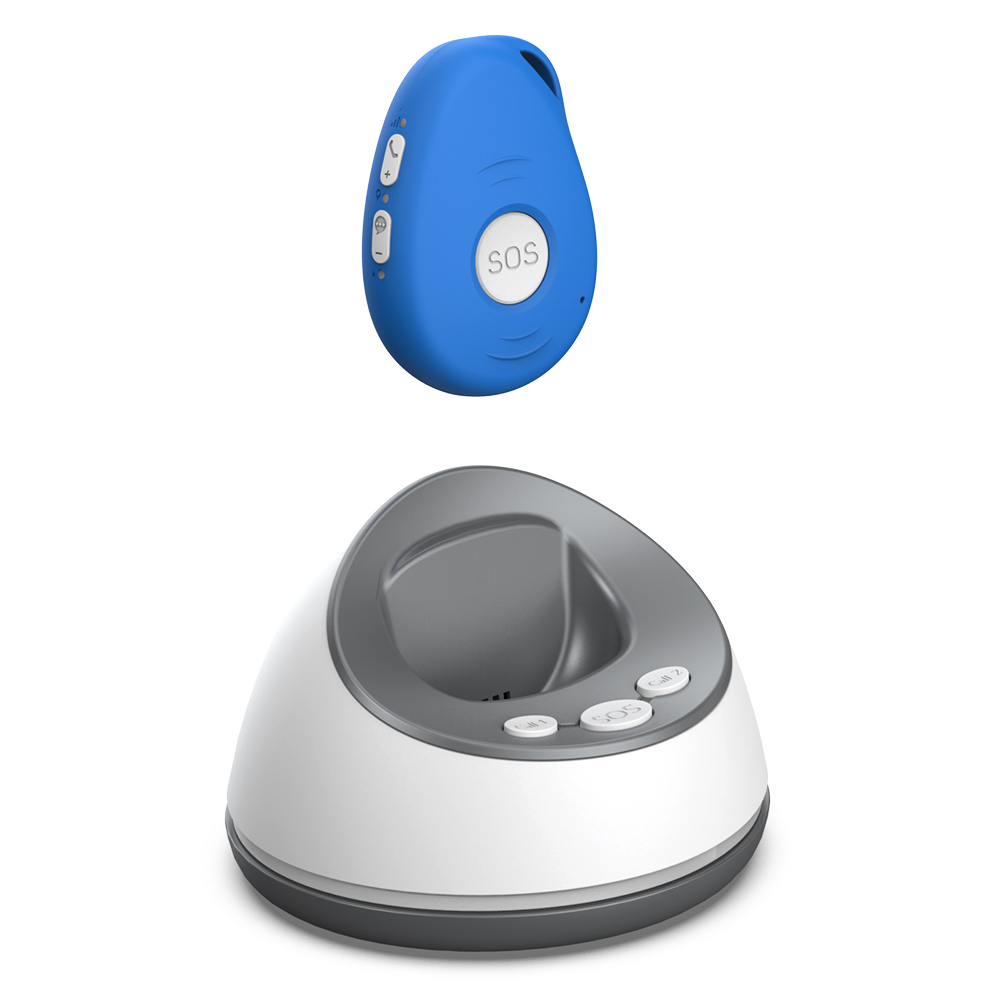
I have seen beautiful, expensive alarms sit unused because the pendant was too big or the wristband was too tight. The device has to be comfortable and unobtrusive, or the person will not wear it. Look for lightweight pendants that can be worn around the neck or clipped to a belt. Some people prefer a wristband because it does not dangle and get in the way. Let the person try both options if possible. The best device is the one they actually keep on.
Buttons should be large and easy to press, even with arthritic fingers. Some alarms have a single large button that is hard to miss. Others have a touch screen, which can be more difficult for people with vision problems or limited dexterity. Test the interface yourself. If you struggle to press the button, imagine how it will be for someone with weaker hands.
Cost and contracts
Pricing varies widely. Some alarms require a monthly subscription, while others are sold outright. Before committing, read the fine print. Look for contracts that allow you to cancel without penalty if the device does not work for your situation. Some companies lock you into a year-long agreement, which is unfair if the person decides they do not want to use it after a few weeks. A trial period of at least 30 days is a good sign that the company stands behind its product.
Also consider the cost of replacement batteries and accessories. A system that seems cheap upfront might cost more over time if you have to buy new pendants every few months. Factor in the total cost of ownership for at least two years before making a decision.
Putting it all together
Choosing an elderly safety alarm is not about finding the most expensive or the most feature-packed device. It is about finding the one that fits the person's lifestyle, health needs, and daily routines. Start by talking to the person who will use it. Ask them what they are worried about. Do they fear falling in the garden? Do they get lost when walking? Do they want to be able to call you directly, or would they prefer a professional operator? Their answers will guide you to the right features.
Then test the system in real conditions. Wear the pendant for a day. Press the button and see how long it takes for someone to respond. Check the GPS accuracy in the places they actually go. A system that works perfectly in a showroom might fail in a real home. Do not skip the testing phase.

Finally, remember that no device can replace human connection. An alarm is a tool, not a substitute for regular visits and phone calls. Use it to extend the safety net, not to replace the people in it. When used properly, an elderly safety alarm can give both the senior and the family a sense of security that is hard to find anywhere else.
Familyr provides personal medical alarms for seniors in New Zealand with SOS, GPS, fall detection, and family-monitored two-way calling. They are based at 14 Grand View Road, Remuera, Auckland 1050, New Zealand, and can be reached at +64 9 872 0345.
Connect with us on YouTube.